Exploring the Benefits of Working with a Local Steel Distributor
Understanding the Role of Local Steel Distributors
What Is a Steel Distributor?
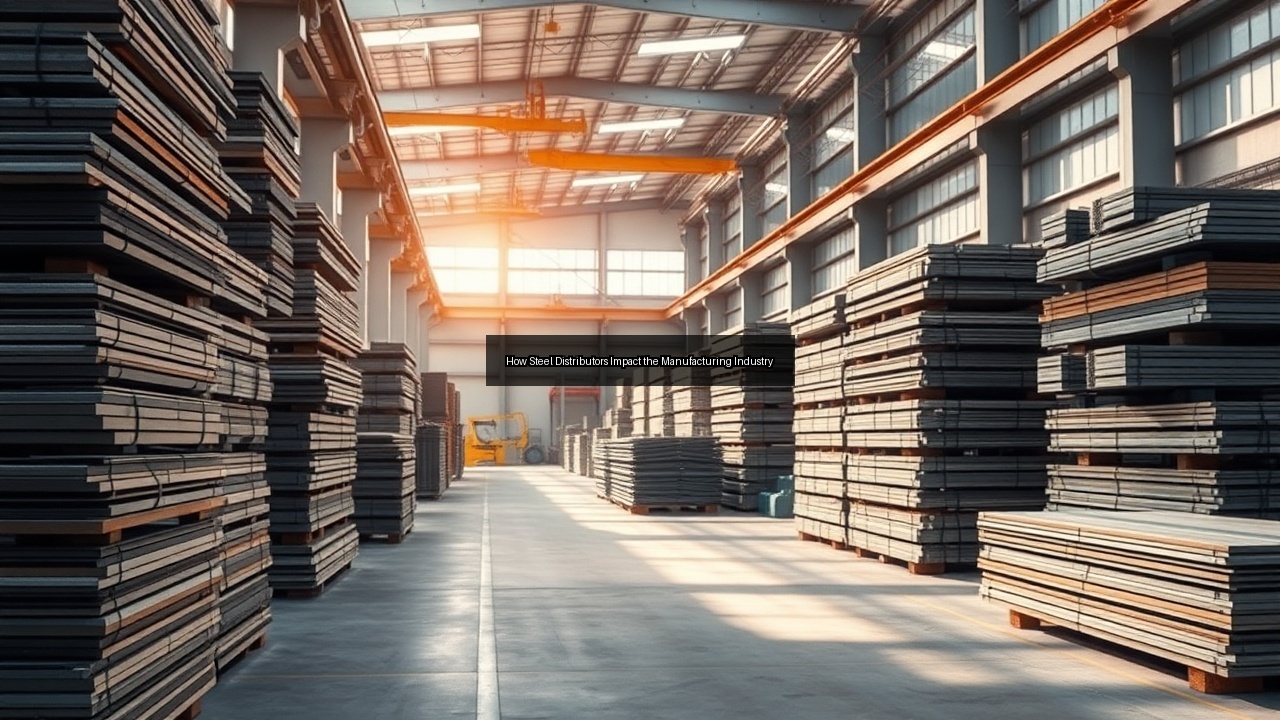
A steel distributor connects manufacturers and fabricators with the metals they need for production. This distributor of steel sources materials from mills and maintains inventory for quick access. Steel distribution involves handling orders, processing cuts, and delivering products that match exact specifications. Customers rely on these operations to avoid delays in their own workflows. A steel metal distributor often stocks various grades and forms, allowing buyers to source everything from bars to sheets in one place. Effective steel distributors track market trends and adjust stock levels to meet demand without excess waste.
Local operations stand out by offering direct access to inventory and expert guidance on material selection. They streamline the supply chain by eliminating multiple middlemen. Many steel distributors also provide value-added services such as shearing and drilling. This hands-on approach helps businesses maintain steady output. When searching for a reliable partner, companies often turn to a steel distributor that understands regional project requirements and can respond to urgent needs.
The Importance of Local Distribution
Local distribution reduces transportation distances and shortens lead times for steel products. Companies gain faster access to materials without waiting for cross-country shipments. Steel distributors located nearby build stronger relationships with customers through regular face-to-face interactions. This proximity supports just-in-time ordering, which lowers storage costs for buyers. Local steel distribution also creates jobs and keeps economic activity within the community.
Distributors in the area understand local regulations and climate factors that affect material performance. They can recommend appropriate grades for specific environments. Quick response times from a nearby steel distributor minimize downtime on job sites. Businesses report higher satisfaction when they partner with local providers who know their history and recurring needs.
Types of Steel Offered by Distributors
Steel distributors carry multiple categories to serve diverse industries. High speed steel appears in cutting tools because it retains hardness at elevated temperatures. Tool steel offers durability for dies and molds that undergo repeated stress. Stainless steel resists corrosion and suits food processing equipment or architectural features. Galvanized steel receives a zinc coating that protects against rust in outdoor settings.
Hot rolled steel provides cost advantages for structural components where surface finish matters less. Distributors of steel also stock cold rolled varieties for applications needing tighter tolerances. Metal distributors maintain these options in different sizes and thicknesses. Customers benefit from one-stop sourcing rather than contacting multiple suppliers. This range lets fabricators match materials precisely to design requirements without compromise.
Advantages of Partnering with a Local Steel Distributor
Personalized Customer Service
Local steel distributors assign dedicated account managers who learn each customer’s preferences and project patterns. This personal attention leads to accurate recommendations on grades and sizes. Customers receive direct phone access instead of navigating automated systems. The distributor tracks past orders and suggests alternatives when supply fluctuates. Such service builds trust and reduces ordering errors over time.
Face-to-face meetings allow quick resolution of issues like dimensional discrepancies. Local teams visit sites to assess needs in person. This level of engagement exceeds what distant suppliers typically offer. Businesses value the consistency and accountability that comes from working with nearby professionals who know the local market conditions.
Quicker Delivery Times
Proximity enables same-day or next-day delivery for many steel orders. Local distributors keep popular items in stock and can fulfill rush requests without premium freight charges. Reduced transit time protects tight production schedules in manufacturing environments. Vehicle fleets from the distributor reach customers faster than long-haul carriers. Steel distribution from a nearby facility cuts both time and risk of damage during transport.
Customers avoid the uncertainty of weather delays or port congestion that affect imported shipments. Local steel distributors often maintain flexible routing that accommodates last-minute changes. Faster material arrival translates directly into earlier project completion and improved cash flow. Companies in construction and fabrication repeatedly cite delivery speed as a primary reason for choosing regional partners.
Cost-Effective Pricing Strategies
Local steel distributors negotiate volume discounts with mills and pass savings to customers through competitive pricing. Reduced shipping costs form another advantage since shorter distances lower fuel expenses. Distributors often offer tiered pricing based on order size and frequency. Payment terms can include net-30 arrangements that help manage cash flow for regular buyers. Transparent pricing structures eliminate hidden fees common with distant suppliers.
Customers gain access to market intelligence on steel price movements. A steel distributor can advise when to lock in orders ahead of anticipated increases. This proactive approach protects project budgets. Local competition among metal distributors further encourages fair pricing. Businesses report measurable savings when they consolidate purchases with one trusted regional provider rather than spreading orders across multiple sources.
Diverse Product Range Available from Local Steel Distributors
High-Speed Steel and Tool Steels
High speed steel serves cutting and drilling applications where heat resistance prevents tool failure. Local distributors stock common grades such as M2 and M42 in bar and sheet forms. Tool steel comes in varieties like A2, D2, and O1 for punches, blades, and forming dies. These materials undergo precise heat treatment to achieve required hardness levels. Steel distributors often provide technical data sheets that detail machinability and wear resistance.
Customers receive cut-to-length pieces that reduce scrap on the shop floor. Tool steels from a local distributor arrive ready for immediate use after minimal finishing. Inventory rotation ensures fresh stock with consistent quality. Fabricators appreciate the ability to test small quantities before committing to larger runs. This selection supports industries that demand reliable performance under demanding conditions.
Stainless Steel for Various Applications
Stainless steel offers corrosion resistance essential for medical devices, chemical tanks, and kitchen equipment. Local steel distributors carry grades 304 and 316 in multiple finishes and thicknesses. These metals maintain strength across temperature extremes while resisting pitting and scaling. Distributors provide polishing and passivation services that enhance surface properties. Stainless steel products suit both structural and decorative uses in commercial buildings.
Metal distributors maintain traceability records that document mill certifications. Customers verify material composition before fabrication begins. Quick availability of stainless steel prevents delays on projects with strict hygiene standards. Local sourcing also allows easy returns or exchanges when specifications change mid-project. This flexibility supports engineers who refine designs after initial material trials.
Galvanized and Hot Rolled Options
Galvanized steel receives a protective zinc layer that extends service life in exposed environments. Distributors supply sheets and coils for roofing, fencing, and automotive components. Hot rolled steel offers economical strength for beams, plates, and channels where appearance ranks secondary to performance. Local steel distributors process these materials to custom lengths that match exact drawings. Reduced handling during delivery preserves the coating integrity on galvanized products.
Customers compare pricing between galvanized and painted alternatives directly with their distributor. Hot rolled options often serve as base material for further processing such as laser cutting. Steel distribution centers keep both product lines organized for efficient order fulfillment. Builders and manufacturers benefit from consistent availability that aligns with seasonal demand spikes. This variety lets projects proceed without material substitutions that could compromise design intent.
How to Choose the Right Local Steel Distributor
Assessing the Distributor's Reputation
Reputation reflects consistent delivery performance and product quality over multiple years. Review customer testimonials and case studies that detail successful partnerships. A steel distributor with strong local standing maintains certifications from recognized industry bodies. Check references from similar businesses in your sector to confirm reliability. Online forums and trade associations often share candid feedback about service levels.
Longevity in the market signals financial stability and supplier relationships. Distributors with established mill connections secure priority during shortages. Visit the facility to observe organization and inventory management firsthand. Reputation also includes responsiveness to claims and willingness to resolve issues promptly. Companies that prioritize these factors select partners who contribute to long-term operational success.
Evaluating Product Quality and Variety
Quality starts with mill certifications that accompany every steel shipment. A capable distributor maintains testing equipment to verify mechanical properties on request. Variety matters when projects require multiple grades or unusual sizes. Local steel distributors that stock both commodity and specialty items reduce the need for secondary sourcing. Evaluate their processing capabilities such as sawing, burning, and forming.
Inspect sample materials for surface condition and dimensional accuracy. Ask about traceability systems that track each heat number through processing. Distributors offering broad inventory support design flexibility and faster prototyping. Consistent quality reduces rework and scrap rates on the production floor. Buyers who audit these aspects secure materials that meet specifications without exception.
Understanding Pricing and Payment Terms
Pricing transparency includes clear breakdowns of base metal cost, processing fees, and delivery charges. Request written quotes that remain valid for a defined period. Compare payment options such as early-pay discounts or extended terms that align with project billing cycles. A steel distributor willing to discuss volume commitments often provides better rates. Monitor market indices together to anticipate future adjustments.
Hidden costs surface when distributors add fuel surcharges or minimum order fees without notice. Clarify return policies for material that fails inspection. Strong payment terms support steady ordering without straining working capital. Businesses that establish these details upfront avoid disputes and maintain predictable project economics. Regular reviews of pricing keep the partnership mutually beneficial.
The Impact of Local Steel Distributors on Industries
Supporting Local Businesses and Economy
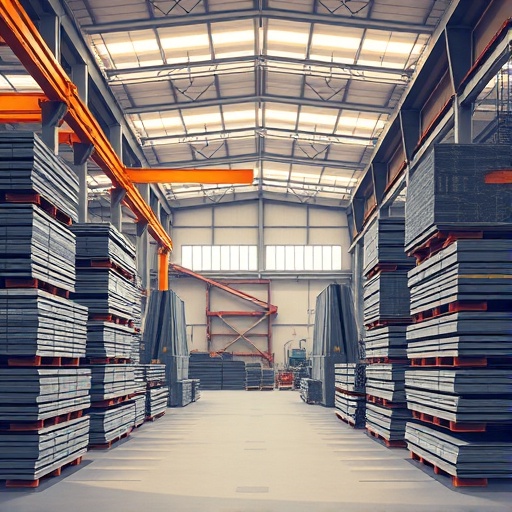
Local steel distributors purchase from regional mills and employ area residents, circulating money within the community. They sponsor training programs that develop skilled workers for metal fabrication trades. Small manufacturers gain access to materials without establishing their own purchasing departments. This support network strengthens the entire supply chain from raw material to finished goods. Economic multipliers show that each dollar spent with a local distributor generates additional activity through wages and taxes.
Distributors also recycle scrap metal from customer operations, closing material loops efficiently. Communities with robust steel distribution infrastructure attract new fabrication businesses. The presence of reliable suppliers lowers barriers for startups and encourages entrepreneurship. Long-term partnerships between local distributors and buyers create stability that benefits everyone involved in the regional economy.
Meeting the Needs of Vehicle and Pump Manufacturers
Vehicle manufacturers require consistent steel supply for frames, brackets, and chassis components. Local distributors deliver high-strength grades on schedules that match assembly line demands. Pump manufacturers depend on corrosion-resistant stainless steel and precision tool steel for impellers and housings. Steel distributors provide material certifications required for pressure-rated equipment. Quick replenishment prevents line stoppages that cost thousands per hour.
Custom processing such as flame cutting and drilling reduces in-house labor for these customers. Distributors maintain safety stock for high-volume parts to buffer against mill delays. Vehicle and pump sectors value the technical support offered during material selection. Local steel distribution ensures compliance with industry standards while controlling logistics expenses. These specialized services keep production running smoothly.
Innovations in Steel Distribution
Modern steel distributors adopt digital inventory systems that let customers check stock levels in real time. Online ordering portals speed up transactions and reduce paperwork. Some facilities now use automated saws and robotic handling to increase throughput. Data analytics help predict demand patterns and optimize stock rotation. These innovations lower operating costs that translate into competitive pricing for buyers.
Environmental initiatives include energy-efficient warehouses and responsible sourcing of recycled content. Distributors explore lighter high-strength steels that reduce weight in vehicle applications. Collaboration with mills accelerates development of new alloys tailored to emerging needs. Local operations serve as test beds for these advancements before wider rollout. Customers benefit from earlier access to improved materials and processes that enhance product performance.