How Steel Distributors Impact the Manufacturing Industry
The Role of Steel Distributors in the Manufacturing Supply Chain
Understanding Steel Distribution Networks
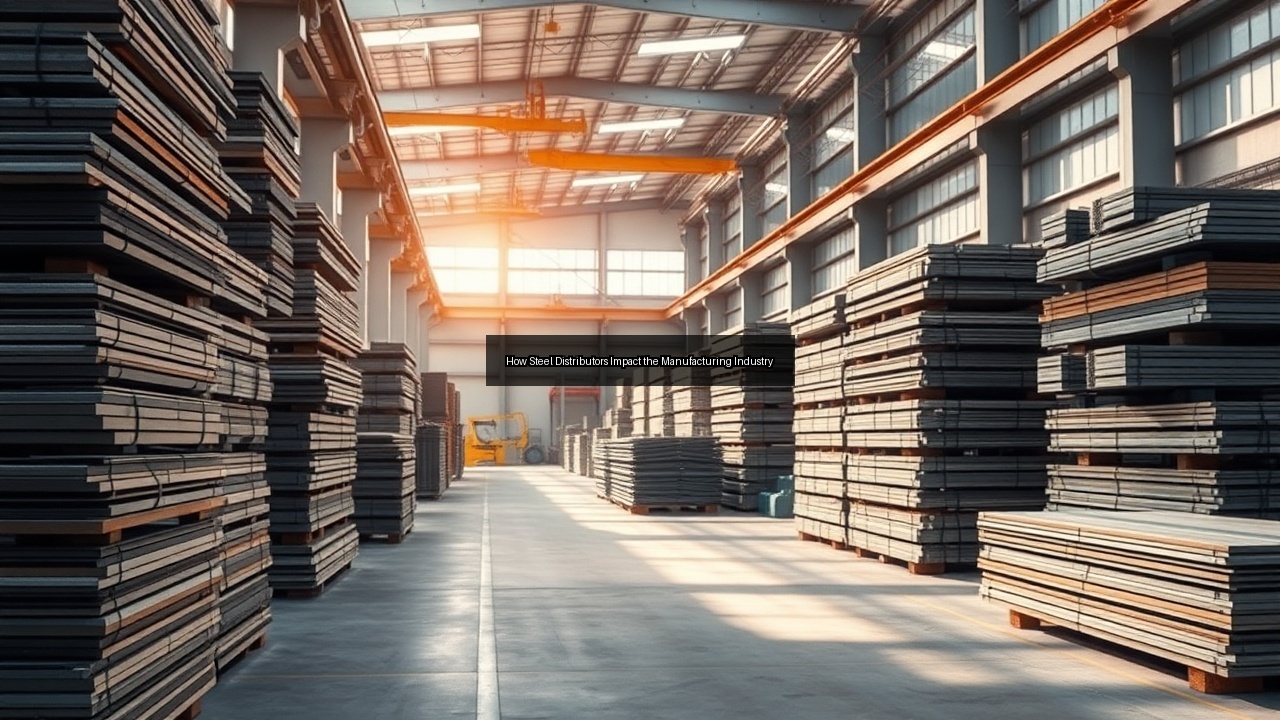
Steel distributors form a critical link in the manufacturing supply chain, acting as the bridge between steel producers and manufacturers. They operate extensive distribution networks that facilitate the efficient movement of various steel types, including tool steels, high-speed steel, and stainless steel. These networks ensure that manufacturers receive the right metal products at the right time and place to maintain their production schedules. A robust steel distribution network involves warehousing, transportation, and logistics management, allowing distributors to stock a diverse range of products. By offering quick access to essential materials, distributors help manufacturers avoid costly delays and optimize their production processes.
Key Players in Steel Distribution
The landscape of steel distribution features a variety of key players, including large national distributors, regional suppliers, and specialized niche distributors. Each entity plays a unique role in ensuring that manufacturers have the steel they need, whether it’s hot rolled steel for structural applications or galvanized steel for enhanced corrosion resistance. National distributors often boast extensive inventories and delivery capabilities, while regional suppliers can offer more personalized service and quicker turnaround times. Additionally, niche distributors may focus on specific products, such as high-speed steel for cutting tools or tool steels for precision manufacturing. The collaboration among these players fosters a competitive environment that benefits manufacturers seeking quality materials.
The Importance of Timely Deliveries
Timely deliveries of steel products significantly impact manufacturing efficiency. Delays in receiving steel can halt production lines, leading to increased costs and missed deadlines. Steel distributors prioritize on-time deliveries to uphold their reputations and maintain strong relationships with customers. Advanced logistics systems and real-time tracking technologies enable distributors to optimize delivery routes and ensure that products reach manufacturers when needed. Moreover, proactive communication between distributors and manufacturers helps address potential supply chain disruptions before they escalate. By emphasizing punctuality and reliability, steel distributors play a vital role in supporting the overall productivity of the manufacturing sector.
Types of Steel and Their Applications in Manufacturing
Tool Steels: Essential for Precision Manufacturing
Tool steels are specialized alloys designed to withstand high-stress environments, making them indispensable in precision manufacturing. These steels possess unique properties, such as hardness and wear resistance, that allow them to maintain sharp edges and resist deformation during machining processes. Manufacturers utilize tool steels to create various tools and dies, including cutting tools, molds, and punches. The versatility of tool steels makes them suitable for a wide range of applications, from automotive components to aerospace parts. Steel distributors play a crucial role in supplying these materials, ensuring that manufacturers have access to the right grades and specifications for their specific needs.
High Speed Steel: Boosting Performance in Cutting Tools
High-speed steel (HSS) enhances cutting tool performance across various manufacturing processes. Known for its ability to withstand high temperatures without losing hardness, HSS is ideal for producing tools that require precise cuts and extended lifespans. This material is commonly used in drill bits, milling cutters, and saw blades. Manufacturers rely on steel distributors to provide a consistent supply of high-speed steel, ensuring they can meet production demands. The unique properties of HSS allow for faster cutting speeds and improved efficiency, which translates to cost savings for manufacturers. By stocking a range of HSS products, distributors support the manufacturing sector's pursuit of innovation and productivity.
Stainless Steel: Corrosion Resistance in Industrial Applications
Stainless steel offers exceptional corrosion resistance, making it a preferred material for various industrial applications. Its durability and aesthetic appeal make it suitable for everything from kitchen equipment to medical devices. Manufacturers often choose stainless steel for components in harsh environments, such as chemical processing and marine applications, where exposure to moisture and corrosive substances is a concern. Steel distributors supply different grades of stainless steel, catering to the specific requirements of various industries. By maintaining a diverse inventory, distributors ensure that manufacturers can source the right type of stainless steel to meet their quality and durability standards.
Pricing Dynamics in Steel Distribution
Factors Influencing Steel Prices
Steel prices fluctuate based on several key factors, including raw material costs, production levels, and market demand. The price of iron ore, a primary component of steel, directly impacts overall steel pricing. Additionally, economic conditions, such as inflation and geopolitical events, can influence supply and demand dynamics. Seasonal trends also affect pricing, as manufacturers often ramp up production during certain times of the year, leading to increased demand for steel. Steel distributors must stay informed about these market factors to adjust their pricing strategies accordingly, ensuring they remain competitive while maintaining profitability.
Pricing Strategies of Steel Distributors
Steel distributors employ various pricing strategies to navigate the complex landscape of steel pricing. Some distributors may adopt a cost-plus pricing model, where they add a markup to the cost of acquiring steel. Others might use a competitive pricing approach, analyzing market prices to offer attractive rates to customers. Volume discounts and loyalty programs can also incentivize manufacturers to buy in bulk. By strategically managing pricing, steel distributors can attract and retain customers while ensuring a steady flow of revenue. Clear communication about pricing structures builds trust between distributors and manufacturers, fostering long-term business relationships.
Impact of Global Market Trends on Local Pricing
Global market trends significantly influence local steel pricing, often creating disparities between regions. International trade agreements, tariffs, and import/export regulations can impact the cost of steel in various markets. For instance, if a country imposes tariffs on imported steel, local prices may rise as distributors pass on the increased costs to manufacturers. Additionally, fluctuations in global demand for steel, driven by economic growth or downturns in other countries, can affect local pricing dynamics. Steel distributors must remain agile and responsive to these global trends to maintain competitiveness and provide fair pricing to their customers.
The Future of Steel Distribution and Its Impact on Manufacturing
Emerging Technologies in Steel Distribution
Technology is reshaping the landscape of steel distribution, introducing innovations that enhance efficiency and customer satisfaction. Automation in warehouses streamlines inventory management, allowing distributors to track stock levels in real-time. Advanced forecasting tools help predict demand, enabling distributors to stock the right materials proactively. Moreover, digital platforms facilitate seamless ordering processes, allowing manufacturers to place orders quickly and efficiently. The adoption of these technologies not only improves the operational capabilities of steel distributors but also enhances the overall customer experience, ensuring that manufacturers receive timely and accurate deliveries of steel products.
Sustainability Practices Among Steel Distributors
Sustainability has become a metal distributors key focus for steel distributors as the manufacturing industry increasingly prioritizes environmentally friendly practices. Many distributors are adopting sustainable practices by sourcing recycled steel and minimizing waste in their operations. Additionally, energy-efficient transportation methods and eco-friendly packaging contribute to reducing the carbon footprint of steel distribution. By embracing sustainability, steel distributors not only align with the values of their customers but also contribute to a more sustainable manufacturing ecosystem. This commitment to environmental responsibility can enhance a distributor's reputation and create competitive advantages in the marketplace.
The Evolving Needs of Customers in the Manufacturing Sector
As the manufacturing landscape evolves, so do the needs of customers seeking steel products. Manufacturers increasingly demand customized solutions, including specific steel grades, dimensions, and processing services. Steel distributors must adapt to these changing requirements by offering tailored services and flexible supply options. Additionally, the trend toward just-in-time manufacturing necessitates reliable delivery schedules that align with production timelines. By understanding and responding to the evolving needs of the manufacturing sector, steel distributors can strengthen their market position and build long-lasting partnerships with their customers.
See Also
- How to Optimize Your Supply Chain with a Reliable Steel Distributor
- High-Speed Steel Distributors and Their Importance in Tooling
- The Benefits of Partnering with Local Steel Distributors
- Finding the Right Steel Distributor for Your Project Needs
- Choosing Between Hot Rolled and Cold Rolled Steel Distributors