Understanding the Different Types of Carbon Steel Available from Distributors
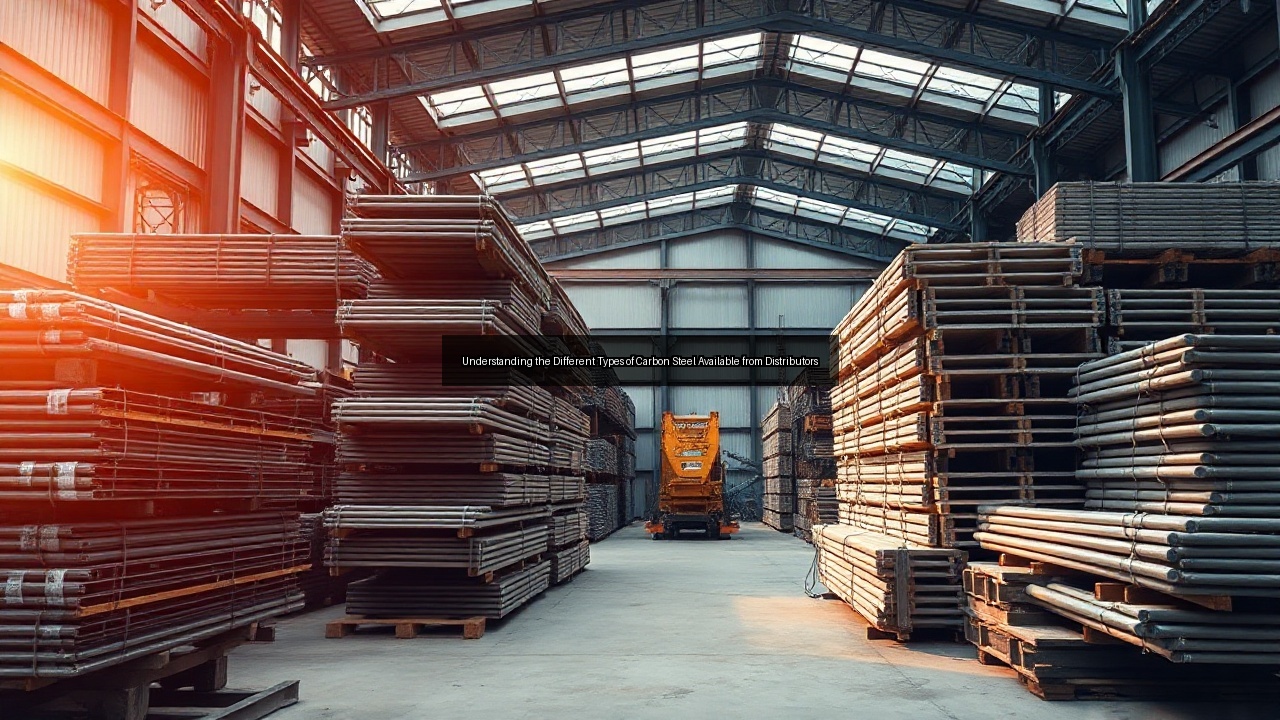
Overview of Carbon Steel Types Distributed by Suppliers
What is Carbon Steel?
Carbon steel is a type of steel where the main alloying element is carbon. It plays a critical role in various industries due to its unique properties. The carbon content in carbon steel directly affects its hardness, strength, and ductility. Unlike stainless steel, which includes chromium to resist corrosion, carbon steel's primary focus is on strength and flexibility. It is essential for various applications, ranging from construction to manufacturing. This versatile material serves as the backbone for numerous products, making it a staple in the inventory of any reputable carbon steel distributor.
The Importance of Carbon Content in Steel
The carbon content in steel significantly influences its mechanical properties. Low carbon steels, with carbon content up to 0.3%, exhibit excellent ductility and weldability, making them ideal for construction and manufacturing applications. Medium carbon steels, containing 0.3% to 0.6% carbon, strike a balance between strength and ductility, suitable for machinery and automotive components. High carbon steels, with carbon content exceeding 0.6%, offer extreme hardness and strength, often used in heavy-duty applications like cutting tools and springs. Understanding carbon content is crucial for selecting the right type of steel for specific projects, ensuring that the material meets performance requirements.
Types of Carbon Steel: An Introduction
Carbon steel can be categorized into three primary types based on carbon content: low carbon steel, medium carbon steel, and high carbon steel. Low carbon steel is known for its malleability and ease of fabrication, making it a popular choice for structural applications. Medium carbon steel offers improved strength and hardness, suitable for parts that experience wear and tear. High carbon steel, while less ductile, is favored for its hardness and ability to maintain sharp edges, which makes it ideal for tools and industrial applications. This classification helps carbon steel distributors provide tailored solutions to meet specific customer needs in various industries.
Categories of Carbon Steel and Their Applications
Low Carbon Steel: Characteristics and Uses
Low carbon steel, also known as mild steel, contains a carbon percentage ranging from 0.05% to 0.3%. This category is characterized by its excellent weldability and ductility, making it highly versatile for various applications. Common uses include structural components in buildings, automotive body panels, and pipes. Manufacturers often prefer low carbon steel for its ease of machining and forming, allowing for the creation of intricate Distributor of carbon steel parts without compromising structural integrity. Additionally, its cost-effectiveness makes it a preferred material for large-scale projects in construction and infrastructure. Suppliers of low carbon steel provide a range of products, including sheets and plates, to meet diverse project demands.
Medium Carbon Steel: Balance of Strength and Ductility
Medium carbon steel, with carbon content ranging from 0.3% to 0.6%, presents a balanced combination of strength and ductility. This type of carbon steel is often utilized in applications requiring resilience and the ability to withstand stress without deforming. Common products made from medium carbon steel include gears, axles, and structural beams. Its enhanced properties make it suitable for automotive components and machinery parts that experience varying levels of wear and impact. Distributors of medium carbon steel offer a variety of shapes and sizes, catering to industries that require precision-engineered materials tailored to specific operational demands.
High Carbon Steel: Applications in Heavy-Duty Industries
High carbon steel, containing more than 0.6% carbon, is renowned for its exceptional hardness and strength. This type of steel is commonly used in applications where durability and wear resistance are paramount. Examples include cutting tools, saw blades, and springs, which benefit from high carbon content's ability to maintain sharpness and structural integrity. High carbon steel's rigidity can pose challenges in terms of brittleness, so careful selection and treatment are often necessary. Industries such as manufacturing and transportation rely on high carbon steel for components that require superior performance under extreme conditions. Distributors of high carbon steel provide specialized products designed to meet the stringent requirements of heavy-duty applications.
Carbon Steel Products from Distributors
Common Carbon Steel Products: Sheets, Pipes, and More
Carbon steel distributors offer a wide range of products to meet the diverse needs of various industries. Common items include carbon steel sheets, which are essential for construction and manufacturing applications due to their versatility and strength. Steel pipes, another staple product, are crucial in the transportation of fluids and gases in infrastructure projects. Additionally, carbon steel bars and plates are widely used in fabricating machinery and structural components. The availability of these products in various grades and specifications allows suppliers to cater to specific project requirements, ensuring that customers can find the right materials for their applications.
The Role of Alloying Elements in Carbon Steel
While carbon is the primary alloying element in carbon steel, other elements can be added to enhance specific properties. Manganese, for example, improves hardenability and strength, while silicon increases strength and deoxidation. Chromium, often associated with stainless steel, can also be included to enhance corrosion resistance and hardness. These alloying elements allow carbon steel distributors to offer a range of tailored products that meet specific performance requirements. By understanding the role of these elements, manufacturers can select the right type of carbon steel for their projects, balancing cost and performance effectively.
Comparing Carbon Steel to Stainless Steel and Alloy Steel
Carbon steel, stainless steel, and alloy steel serve distinct purposes in various applications. Carbon steel is typically less expensive and offers excellent mechanical properties, making it suitable for structural and manufacturing uses. Stainless steel, with its chromium content, provides superior corrosion resistance and is ideal for environments where moisture or chemicals are present. Alloy steel combines carbon with other elements to achieve specific characteristics, such as increased strength or improved wear resistance. Understanding the differences among these materials helps customers make informed decisions when selecting products from a carbon steel distributor, ensuring that they choose the best option for their specific needs. Distributor of carbon steel
Choosing the Right Carbon Steel Distributor
Factors to Consider When Selecting a Carbon Steel Distributor
Choosing the right carbon steel distributor is critical for ensuring project success. Key factors to consider include the distributor's reputation, product range, and customer service. A reputable supplier should have a proven track record of delivering high-quality products and reliable service. Additionally, consider the variety of products available, as a versatile distributor can provide tailored solutions for various applications. Customer service is equally important; a distributor that offers expert advice and support can help navigate the complexities of selecting the right materials for specific projects. These factors collectively contribute to a positive purchasing experience and successful project outcomes.
Top Carbon Steel Distributors in California
California hosts several reputable carbon steel distributors known for their extensive inventory and commitment to customer satisfaction. Companies like Steel Supply, Inc., and California Steel Industries provide a wide range of carbon steel products, including sheets, plates, and pipes. These distributors often cater to multiple industries, from construction to manufacturing, ensuring that they meet diverse customer needs. Their emphasis on quality, timely delivery, and competitive pricing positions them as leaders in the carbon steel supply chain. Researching and connecting with top distributors in California can facilitate access to high-quality materials for any project.
How to Evaluate Carbon Steel Suppliers for Your Project
Evaluating carbon steel suppliers involves several steps to ensure that you select the right partner for your project. Begin by assessing the supplier's product offerings and inventory to ensure they can meet your specific requirements. Review customer testimonials and case studies to gauge their reputation and reliability. Quality certifications, such as ISO, can also indicate a supplier's commitment to maintaining high standards. Consider the supplier’s delivery capabilities and lead times, especially for projects with tight schedules. Finally, establish open lines of communication to discuss your needs and any questions you may have. This thorough evaluation process will help you find a carbon steel distributor that aligns with your project goals.
See Also
- How Carbon Steel Distributors Can Help You Optimize Your Supply Chain
- Sustainable Practices Among Carbon Steel Suppliers and Distributors
- The Significance of Medium Carbon Steel in Industrial Applications
- Carbon Steel Sheet vs. Pipe: What Distributors Offer for Each
- Innovative Solutions from Carbon Steel Distributors in the Metal Industry