Wire Shapes That Define Industries The Art of Wire Forming
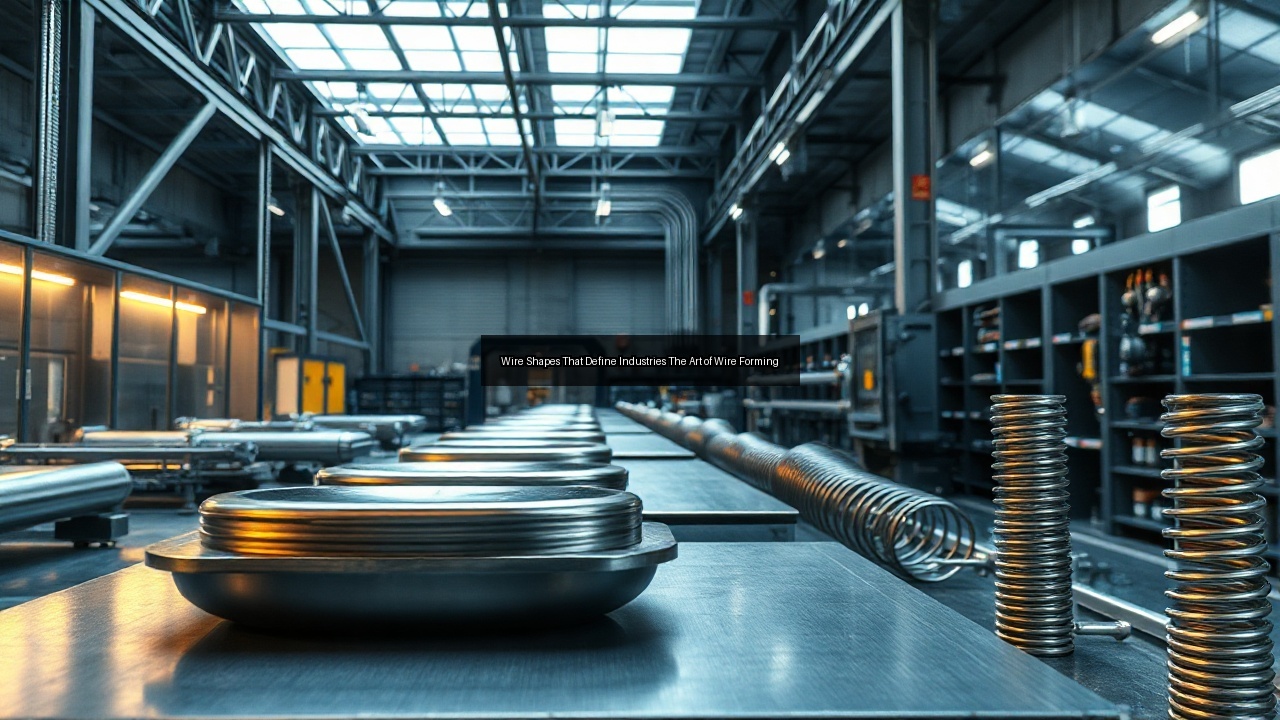
The Fundamentals of Wire Forming: Techniques and Processes
Overview of Wire Forming Methods
Wire forming encompasses a variety of techniques that transform raw wire into intricate shapes and components. These methods include bending, coiling, and twisting, each tailored to meet specific design requirements. The wire forming process starts with selecting the appropriate wire material, commonly stainless steel, due to its excellent durability and corrosion resistance. Manufacturers utilize various machines to achieve precise dimensions and shapes, ensuring that each formed wire meets stringent specifications. Techniques like bending and coiling allow for versatile applications, making wire forming an essential process across numerous industries, including engineering, aerospace, and automotive sectors.
Understanding Wire Shaping Techniques
Wire shaping techniques play a crucial role in determining the characteristics of the final product. Common techniques involve drawing, which reduces wire diameter while increasing length, and forming, which alters the wire's shape without changing its mass. Tools such as dies and molds are instrumental in achieving desired wire forms. For instance, in coil spring production, the wire undergoes coiling and heat treatment to enhance its elasticity. Each technique has its wire forming capabilities unique advantages, allowing engineers and designers to create custom solutions tailored to specific applications. Understanding these techniques empowers industries to innovate and improve existing products, leading to enhanced performance and efficiency.
The Role of Computer Numerical Control in Wire Forming
Computer Numerical Control (CNC) technology revolutionizes wire forming by enabling precise automation of the shaping process. CNC machines execute intricate designs with unparalleled accuracy, reducing human error and improving production speed. These machines can be programmed with specific tolerances, ensuring that each wire component meets exact specifications. The integration of CNC technology into wire forming services not only streamlines manufacturing but also expands the possibilities for complex wire shapes. Additionally, CNC systems allow for rapid prototyping, enabling engineers to test and refine designs quickly, ultimately leading to more innovative wire forms that meet the evolving needs of various industries.
Applications of Wire Forming Across Industries
Aerospace: Precision and Tolerances in Wire Parts
The aerospace industry demands precision and reliability in every component, making wire forming a critical process. Components such as brackets, clips, and fasteners often undergo wire forming to achieve the necessary tolerances for aircraft assembly. The use of stainless steel wires ensures durability under extreme conditions, including high temperatures and significant pressure variations. Engineers prioritize precision in wire forms to enhance safety and performance, as even the smallest deviation can lead to catastrophic failures. Wire forming capabilities in aerospace not only enable the production of lightweight components but also support the industry's push towards more fuel-efficient designs.
Engineering and Prototyping: Custom Wire Solutions
In engineering and prototyping, the demand for custom wire solutions grows as projects become increasingly complex. Wire forming allows for the rapid development of prototypes that meet unique specifications. This flexibility enables engineers to experiment with different wire shapes, diameters, and materials to find the optimal solution for their projects. Whether producing intricate brackets for machinery or custom coil springs for specialized applications, wire formed components offer versatility and efficiency. Prototyping with wire forms accelerates the design process, allowing for quick adjustments and iterations, ultimately leading to superior final products that align with client needs and industry standards.
Coil Springs: Essential Components in Various Sectors
Coil springs, manufactured through specialized wire forming techniques, serve as essential components across multiple sectors, including automotive, industrial machinery, and consumer goods. These springs rely on precise wire diameter and tension to function effectively. The wire forming process for coil springs involves coiling wire into spirals and subjecting them to heat treatment to improve their mechanical properties. The resulting springs exhibit excellent resilience and strength, making them ideal for applications that require energy absorption and shock resistance. Industries leverage the advantages of coil springs to enhance product durability and performance, illustrating the critical role wire forming plays in delivering reliable solutions.
Materials and Specifications: Choosing the Right Wire
Stainless Steel vs. Other Metals: Pros and Cons
When selecting materials for wire forming, stainless steel frequently emerges as the preferred choice, thanks to its advantageous properties. Stainless steel offers superior resistance to corrosion, high strength, and excellent ductility, making it suitable for demanding applications. Other metals, such as aluminum and copper, also have their benefits, including lower weight and electrical conductivity. However, they may not provide the same level of durability as stainless steel. Each material's specific characteristics influence the wire forming process and the performance of the final product, necessitating careful consideration by engineers and manufacturers when choosing the right wire for their applications.
Understanding Wire Diameter and Its Impact on Performance
The diameter of wire plays a pivotal role in determining the performance of formed wire components. A smaller diameter can lead to increased flexibility, making the wire suitable for applications that require bending and coiling. Conversely, a larger diameter typically enhances strength and load-bearing capacity. Engineers must consider the intended application and the required tolerances when selecting wire diameter, as it directly affects the functionality and durability of the finished product. Understanding these dynamics enables manufacturers to optimize their wire forming processes and deliver components that meet specific requirements across various industries.
The Importance of Tolerances in Wire Forming Parts
Tolerances define the allowable variations in dimensions for wire forming parts, directly influencing the performance and compatibility of components. Tight tolerances are critical in applications where precision is paramount, such as in aerospace and medical devices. Manufacturers must implement rigorous quality control measures to ensure that each formed wire meets the specified tolerances. Deviations can lead to assembly issues or product failures, emphasizing the significance of accurate wire forming processes. By prioritizing tolerances, manufacturers enhance the reliability of their wire shapes, fostering trust and satisfaction among clients and end-users alike.
Innovations and Future Trends in Wire Forming
Advancements in Wire Forming Machines
Recent advancements in wire forming machines have transformed the landscape of manufacturing. Modern machines boast enhanced automation, precision, and versatility, allowing manufacturers wire forming capabilities to produce complex wire shapes efficiently. Features like programmable controls and advanced software facilitate real-time monitoring, ensuring consistent quality across production runs. These innovations enable faster turnaround times and increased productivity, addressing the growing demand for customized wire solutions. As technology continues to evolve, manufacturers can expect even greater capabilities in wire forming processes, ultimately pushing the boundaries of what is possible in producing formed wire components.
The Evolution of Wire Extrusion Techniques
Wire extrusion techniques have evolved significantly, enhancing the efficiency and quality of wire forming. Extrusion allows for continuous production of wire in various shapes and sizes, streamlining the manufacturing process. Innovations in extrusion technology, such as improved dies and cooling systems, have resulted in better surface finishes and tighter tolerances. This evolution not only reduces waste but also enables the production of wire with unique properties tailored to specific applications. As industries look for more efficient manufacturing methods, the evolution of wire extrusion techniques will play a crucial role in meeting these demands while maintaining high standards of quality.
Sustainable Practices in Wire Shaping and Manufacturing
Sustainable practices in wire forming and manufacturing are gaining traction as industries seek to reduce their environmental impact. Manufacturers are increasingly adopting eco-friendly materials, such as recycled steel, and implementing energy-efficient processes. Innovations in wire forming equipment enhance resource efficiency, minimizing waste during production. Additionally, sustainable practices extend to supply chain management, emphasizing responsible sourcing and reduced carbon footprints. By embracing sustainability, manufacturers not only contribute to environmental conservation but also appeal to consumers who prioritize eco-friendly products. The shift towards sustainable wire shaping reflects a broader commitment to responsible manufacturing and innovation across industries.