Understanding CFM Ratings in Commercial Dehumidifiers for Optimal Air Flow
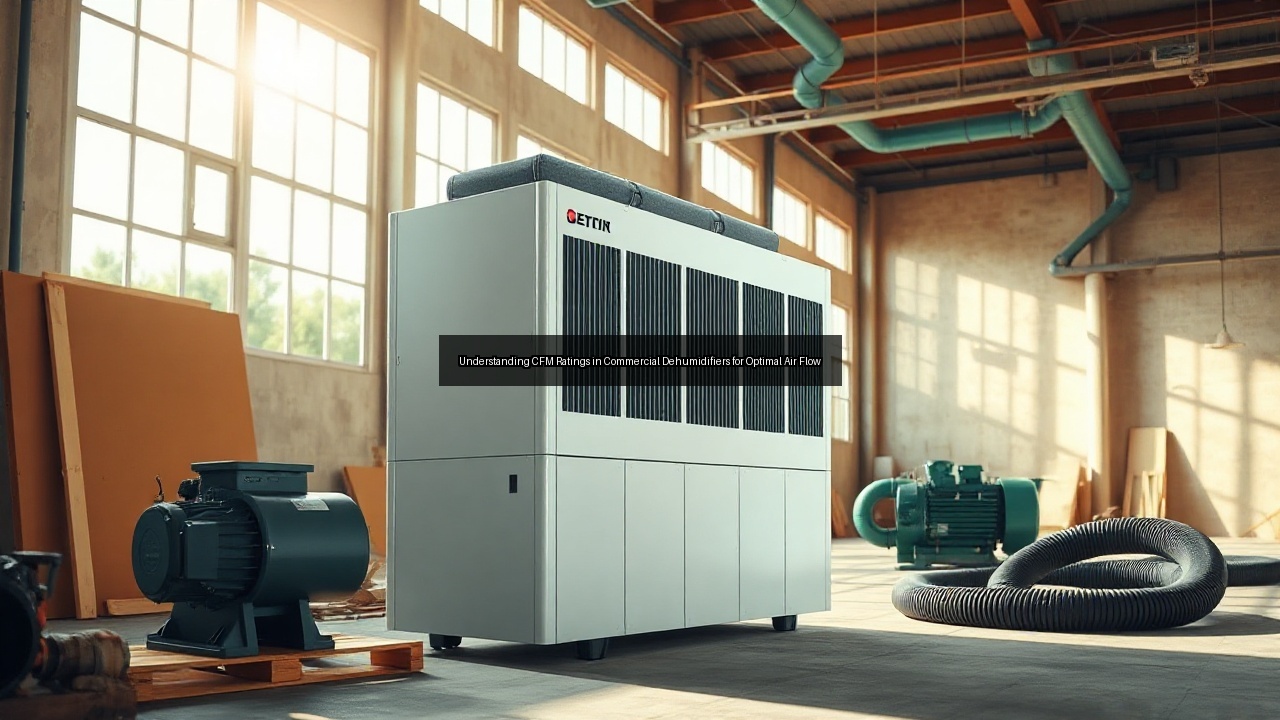
The Importance of CFM Ratings in Commercial Dehumidifiers
Understanding CFM and Its Role in Air Flow
Commercial dehumidifier units rely on CFM ratings to measure how much air moves through the system each minute. Higher CFM values allow a commercial dehumidifier to process larger volumes of air quickly, which proves essential in warehouses or industrial settings where stagnant moisture builds up fast. Operators select units based on these ratings to match the demands of the space, ensuring steady circulation that prevents pockets of damp air from forming near walls or equipment. CFM directly influences how effectively a commercial air dehumidifier integrates with existing HVAC systems, creating balanced conditions that support consistent drying across open floors. Technicians calculate required CFM by factoring in room dimensions and expected moisture load, then match the dehumidifier to those needs without oversizing that wastes energy.
Air flow patterns change when CFM drops below recommended levels for a given commercial dehumidifier. Low ratings restrict the unit's reach, leaving distant corners undehumidified and allowing humidity to climb again. Proper CFM selection keeps air moving at rates that pull moisture toward the coils efficiently, turning humid conditions into drier output measured in pints per day. This metric helps buyers compare commercial dehumidifiers across brands and sizes, focusing on performance rather than just capacity alone.
How CFM Ratings Impact Moisture Control
CFM ratings determine how fast a commercial dehumidifier removes excess moisture from the air before it settles on surfaces. Strong air flow pulls humid air across the evaporator coils at a pace that allows condensation to form rapidly, then directs the drier air back into the space. In high-traffic areas like spas or production floors, units with elevated CFM prevent humidity spikes that would otherwise encourage mold colonies. Matching CFM to the moisture load ensures the dehumidifier operates near peak efficiency without short cycling or straining components.
Moisture control suffers when CFM falls short of the space requirements. Air lingers too long near sources of humidity, such as leaking pipes or wet materials after flooding, reducing the overall pints extracted each hour. Commercial dehumidifier units rated for higher CFM handle these loads by circulating more air through the system, speeding up the drying process while maintaining stable temperature and humidity levels. Facility managers track these ratings to avoid underperformance that leads to repeated dehumidification cycles and higher operating costs.
Key Factors Affecting CFM Ratings
Room Size: Determining the Right CFM for Your Space
Room size dictates the CFM needed for a commercial dehumidifier to achieve full coverage. Larger warehouses demand units that move thousands of cubic feet per minute to reach every corner, while smaller mechanical rooms require lower ratings that still deliver targeted air flow without creating drafts. Operators measure square footage and ceiling height first, then calculate the air changes per hour required to maintain humidity control. This approach prevents gaps where moisture accumulates and supports even dehumidification throughout the entire volume.
Undersized CFM in expansive spaces leaves sections of the warehouse undehumidified, allowing humidity to rebound quickly. Oversized ratings waste energy by circulating more air than necessary, yet proper sizing balances both factors for steady performance. Commercial dehumidifier units often list recommended room volumes alongside their CFM specs, helping users select models that align with actual conditions rather than estimates alone.
Temperature and Humidity: Their Influence on Dehumidification
Temperature affects how a commercial dehumidifier converts CFM into effective moisture removal. Warmer air holds more humidity, so higher CFM becomes necessary to move that air across coils before it releases excess moisture as condensate. In cooler environments, lower temperatures slow evaporation rates, requiring units to maintain adequate air flow to prevent ice buildup on components. Humidity levels further dictate CFM demands, with extreme conditions calling for robust circulation that extracts pints efficiently without overloading the compressor.
Commercial dehumidifiers perform best when CFM ratings account for daily fluctuations in temperature and humidity. High humidity paired with moderate heat increases the moisture load per cubic foot, pushing operators toward units rated for greater air flow. Monitoring these variables lets technicians adjust settings or select models that sustain dehumidification even as conditions shift throughout the day or across seasons.
Construction Materials: How They Affect Air Flow
Construction materials influence air flow patterns inside spaces served by a commercial dehumidifier. Concrete and metal surfaces reflect air differently than drywall or insulation, altering how CFM distributes across the room. Dense materials retain moisture longer, demanding higher CFM to pull humid air away before it penetrates deeper layers. Open steel frameworks in warehouses allow better circulation, while partitioned offices may require supplemental units to maintain uniform dehumidification.
Porous construction elements absorb humidity and release it slowly, which reduces the effective reach of lower CFM ratings. Technicians evaluate these factors during installation to position commercial dehumidifier units where air flow can overcome material resistance. Proper accounting for construction type ensures the selected CFM rating delivers consistent results without leaving hidden damp zones that foster mold.
Choosing the Right Commercial Dehumidifier
Evaluating Energy Efficiency: The Role of Energy Star Ratings
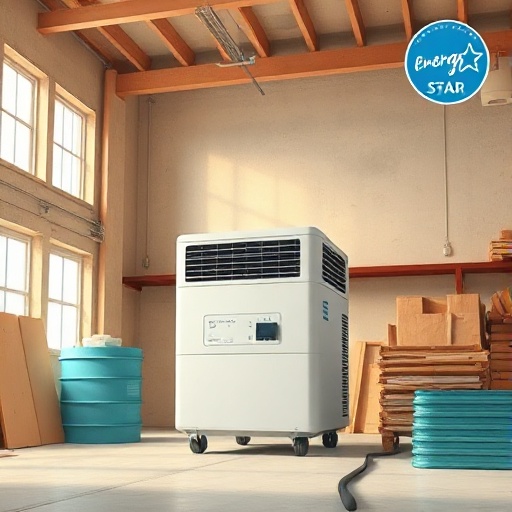
Energy Star ratings guide selection of a commercial dehumidifier by highlighting models that deliver strong CFM performance with lower power draw. These certified units extract more pints per kilowatt-hour, reducing operating costs in spaces that run dehumidifiers continuously. Buyers compare ratings across commercial dehumidifier units to find options that maintain high air flow without excessive electricity use, especially in facilities with multiple HVAC systems already in place.
Units without Energy Star certification often consume more energy to achieve the same CFM and moisture removal, inflating utility bills over time. Facility managers review these ratings alongside CFM specs to balance upfront costs against long-term savings. Efficient models also generate less heat during operation, which helps maintain stable temperatures in temperature-sensitive environments like spas or storage areas.
Selecting the Right Pump and Hose for Optimal Performance
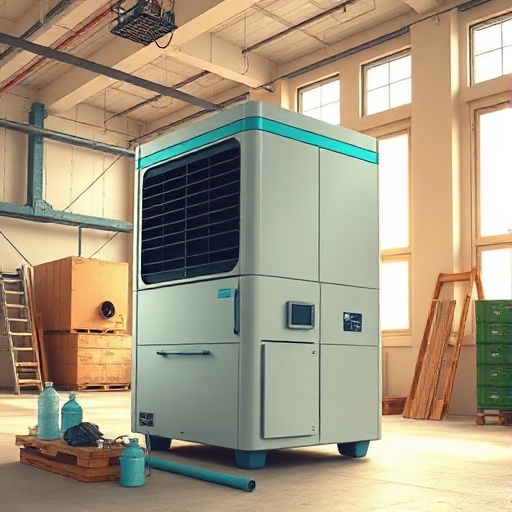
The pump and hose setup on a commercial dehumidifier determines how effectively condensate exits the system without interrupting air flow. Gravity drains work in some installations, yet many commercial dehumidifier units include built-in pumps that push water through hoses to distant floor drains or collection points. Proper hose diameter and length prevent backpressure that could reduce CFM efficiency or cause overflows during heavy dehumidification cycles.
Technicians match pump capacity to the expected pints extracted daily, ensuring continuous operation even when the unit runs at peak CFM. Flexible hoses route water cleanly around equipment and construction obstacles, while reinforced models resist kinking that blocks drainage. Regular checks on these components keep the commercial dehumidifier performing at rated air flow levels without unexpected shutdowns.
Understanding Different Dehumidifier Types for Various Applications
Commercial dehumidifier types range from refrigerant-based models suited for moderate temperatures to desiccant units that handle low-heat environments effectively. Each type carries distinct CFM capabilities that match specific applications, such as rapid drying after flooding or steady humidity control in warehouses. Refrigerant models excel in warmer spaces where high air flow pulls moisture across coils efficiently, while desiccant options maintain performance in cooler conditions that challenge standard units.
Selecting the correct type ensures the CFM rating translates into reliable dehumidification across varied loads. Portable commercial dehumidifier units offer flexibility for temporary needs like post-construction drying, whereas fixed installations integrate with HVAC systems for ongoing warehouse or spa use. Matching type to the environment prevents performance gaps that allow humidity to rise despite adequate nominal ratings.
Maintenance and Performance of Commercial Dehumidifiers
Regular Maintenance: Ensuring Longevity and Efficiency
Regular maintenance preserves CFM ratings on commercial dehumidifiers by keeping coils, filters, and fans free of debris that restricts air flow. Cleaning schedules prevent dust accumulation that lowers efficiency and reduces the pints extracted per cycle. Technicians inspect the pump and hose connections during each service visit to confirm condensate removal keeps pace with dehumidification demands, avoiding backups that force the unit to shut down.
Neglected commercial dehumidifier units experience gradual CFM decline as components wear or clog. Scheduled filter changes and coil washes restore full air flow capacity, extending equipment life and protecting against costly replacements. Consistent upkeep also supports stable humidity control in demanding environments where downtime leads to rapid moisture rebound.
Monitoring Sound Pressure Levels for Comfort
Sound pressure level measurements help operators choose commercial dehumidifiers that deliver required CFM without excessive noise. Lower decibel ratings suit occupied spaces like offices or spas where constant fan operation could disturb occupants. Higher CFM models often produce more sound, yet sound-dampening designs keep levels manageable while maintaining strong air flow for effective moisture removal.
Facilities track sound pressure level changes over time as an indicator of maintenance needs. Rising noise often signals fan imbalance or restricted air flow from dirty components, prompting service before performance drops. Selecting units with appropriate ratings ensures the commercial dehumidifier supports both humidity control and occupant comfort across different applications.
Identifying Signs of Ineffective Dehumidification
Ineffective dehumidification appears through persistent humidity readings or visible moisture on surfaces despite the commercial dehumidifier running. Reduced CFM often causes these issues when filters clog or coils ice over, limiting air flow across the system. Operators check output pints against manufacturer specs to detect drops that signal maintenance or replacement needs before mold develops.
Uneven drying patterns or musty odors indicate the unit fails to circulate air adequately throughout the space. Monitoring temperature and humidity trends helps pinpoint whether CFM ratings no longer match current loads after construction changes or seasonal shifts. Addressing these signs promptly restores full performance and prevents secondary damage from unchecked moisture.
Applications and Benefits of Commercial Dehumidifiers
Flooding Recovery: The Role of Dehumidifiers in Drying
Commercial dehumidifiers accelerate drying after flooding by moving high volumes of air at rated CFM levels across wet materials. Units extract moisture from carpets, walls, and subfloors at rates measured in pints per day, preventing structural damage that prolonged dampness causes. Proper CFM selection ensures the entire affected space receives consistent air flow rather than isolated treatment that leaves hidden pockets undried.
Restoration crews deploy multiple commercial dehumidifier units to handle large water events efficiently. High-CFM models paired with air movers create directed flow that speeds evaporation while the dehumidifier captures released humidity. This combination shortens recovery timelines and reduces the risk of secondary issues like mold growth in affected construction zones.
Humidity Control in Warehouses and Spas
Warehouses and spas require steady humidity control to protect inventory and maintain comfort. Commercial dehumidifier units with appropriate CFM ratings keep conditions stable despite constant door traffic or water features that introduce moisture. Consistent air flow prevents condensation on stored goods and equipment while supporting comfortable environments for workers and visitors.
Facilities integrate these dehumidifiers with existing HVAC systems to balance temperature and humidity without overworking either component. CFM ratings sized to the space volume ensure even distribution that avoids localized spikes common in large open areas. Effective control reduces energy costs associated with frequent adjustments and extends the life of sensitive materials stored inside.
Preventing Mold Growth: Why CFM Matters
CFM ratings play a central role in preventing mold growth by maintaining air flow that keeps relative humidity below thresholds where spores thrive. Commercial dehumidifiers pull moist air through the system at rates that extract excess water before it settles on surfaces. Adequate circulation reaches corners and behind equipment where stagnant conditions otherwise allow colonies to establish.
Facilities monitor CFM performance to confirm the commercial dehumidifier continues delivering the air changes needed for mold prevention. Drops in effective flow signal maintenance requirements that, if ignored, permit humidity to climb and create favorable conditions for growth. Proper ratings combined with routine service protect both structures and occupants from the health and remediation costs associated with mold outbreaks.
See Also
- Unlocking the Secrets of Commercial Dehumidifiers for Humidity Control
- The Importance of Pump and Hose Systems in High-Capacity Commercial Dehumidifiers
- Flooding and Beyond The Essential Role of Dehumidifiers in Construction Sites
- The Ultimate Guide to Choosing the Right Commercial Dehumidifier for Your Space